losing baby teeth is an example of the dimension of development
Deciduous teeth commonly known as milk teeth baby teeth primary teeth and temporary teeth are the first set of teeth in the growth development of humans. Dear Sarah Your dentist and orthodontist understand the complex dynamics of growth and development of the jaws.

Chapter 4 Physical Development In Infancy Toddlerhood Infant Toddler Development
The final efforts of physical mastery display in the pushing out of hereditary teeth and the growing in of second teeth.

. At birth people usually have 20 baby primary teeth which start to come in erupt at about 6 months of age. The delay of losing baby teeth may also have a negative effect on the childs psychology. They also help give your face its shape and form.
Poor nutrition and feeding. The first baby teeth to fall out are typically the two bottom front teeth lower central incisors and the two top front teeth upper central incisors followed by the lateral incisors. A number of medical conditions are known to be associated with either the premature or delayed loss of baby teeth.
A childs baby teeth primary teeth typically begin to loosen and fall out to make room for permanent teeth at about age 6. 6 to 7 years. If they are lost prematurely the spaces created can dramatically shrink becoming smaller and smaller leaving.
It is vital for children in early childhood to brush their teeth every day. To observe child development rightly the childs job in the years from birth to this change of teeth is physical mastery. They also aid in speech development.
Age 9 to 12. A babys head and abdomen are large and the. A general rule of thumb is that for every 6 months of life approximately 4 teeth will erupt.
Losing baby teeth is an example of the dimension of development. Keeping your childs baby teeth healthy and doing all you can to keep them in place until they are ready to fall out naturally sets the stage for a lifetime of good oral health. Its a sure-fire way to tell that he or she is growing up and starting to leave the trappings of babyhood behind.
In most cases a baby tooth remains in its socket until a few. During this time these first teeth are holding space for the permanent teeth that will eventually erupt. Development of abnormal muscle activity and habits such as tongue thrust in the newly created space or digit sucking which create further disruption in the bite.
Losing baby teeth can be unsettling and. They fall out shed at. You should probably start losing your teeth around the ages of 5 - 8 and stop losing your teeth in the ages of 10 - 13Calculate the time when you your child or.
To observe child development rightly the childs job in the years from birth. By now children will have a pretty even mix of baby teeth. The first tooth to fall out is usually located in the front of the lower jaw.
Physical 2 See answers Advertisement. Baby teeth tend to be smaller flatter and are naturally whiter than adult teeth. The last baby tooth is usually lost around the.
Your child will begin losing his or her primary teeth baby teeth around the age of 6. These final sets of teeth are usually shed. Your babys gums form at 8 weeks of pregnancy.
It might not be obvious from his adorable toothless grin but your babys teeth actually start developing while hes still in the womb. In the first six months a baby usually gains one to two pounds a month. Losing the first tooth is a milestone for any child.
Tooth Fairies across America had better start breaking out the quarters because were going to be talking about child tooth loss. It is not necessary to brush until children start to lose their baby teeth. Diet soda is a good option to help prevent tooth decay in children.
Wanda4360 wanda4360 04292021 Biology College answered Losing baby teeth is an example of the dimension of development. Baby teeth typically begin to emerge at approximately 6 months of age with all 20 primary teeth usually in place by age 3. Whats normal and whats not.
Teeth vary in size shape and their location in the jaws. These differences enable teeth to work together to help you chew speak and smile. The loss of the baby teeth however is the defining physical flag to pay attention to in the childs readiness to learn in new ways.
However sometimes this can be delayed by as much as a year. Almost all young children in the United States have been to the dentist. The canines are usually lost between the ages of 9 and 12 years old while the primary second molars are the last baby teeth that your child will lose.
Phys Get the answers you need now. Normal tooth loss begins around age 6 for most children and is. Development starts at the trunk and moves outward.
Early Loss of Baby Teeth Can Affect Permanent Teeth. Alteration in the overbite and overjet of teeth. Losing baby teeth is.
Youll see the evidence when he sprouts his first tooth which usually happens when hes between 4 and 7 months old. These are two U-shaped bands of tissue that follow the contour. Tooth opposing the extraction side usually elongates and overerupts.
Sometimes as early as the age of 7 or 8 if we notice a shortage of room available for the erupting larger permanent teeth we recommend an evaluation by an orthodontist for possible palatal expansion. Other primary tooth eruption facts. Loss of baby teeth.
The primary teeth are important for the development of the mouth development of the childs speech for the childs smile and play a role in chewing of food Most children lose their first tooth around age 6 then continue. Baby teeth are necessary for a child to foster good nutrition through proper chewing. Girls generally precede boys in.
Girls generally lose teeth earlier than boys. From the age of about 6 years baby teeth start to become wobbly and fall out to make way for adult teeth. The first teeth to be lost are usually the central incisors.
What is essential for you to know is that the baby teeth also serve a very important function of maintaining space. It is perfectly normal for a child to lose their first tooth up to a year or 2 earlier or later than 6 years of age. Premature loss Fibrous dysplasia Juvenile diabetes Histiocytosis Cyclic neutropenia Hypophosphatasia Chediak-higashi syndrome Vitamin D resistant rickets.
This is then followed by the eruption of the first permanent molars. By one year the average infant is about 30 long.

Chapter 4 Physical Development In Infancy Toddlerhood Infant Toddler Development

Dental Crowns Everything You Need To Know Vc Dental
Pin On Jewelry

Mammalian Embryology And Organogenesis

Mammalian Embryology And Organogenesis

Pin On What S Myplate All About
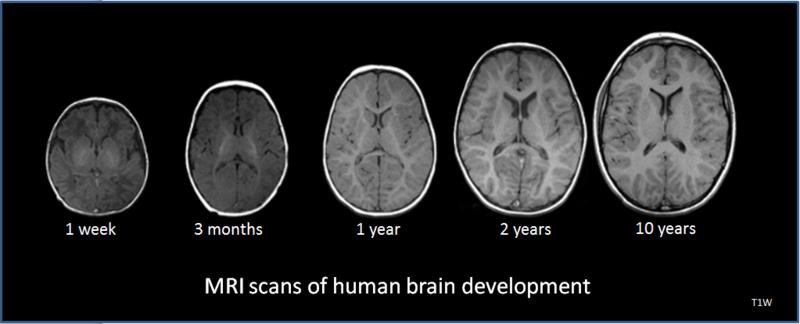
Chapter 4 Physical Development In Infancy Toddlerhood Infant Toddler Development

Mammalian Embryology And Organogenesis

Mesozoic Era An Overview Sciencedirect Topics

China S Privacy Laws Could Be Stronger Than America S Protocol
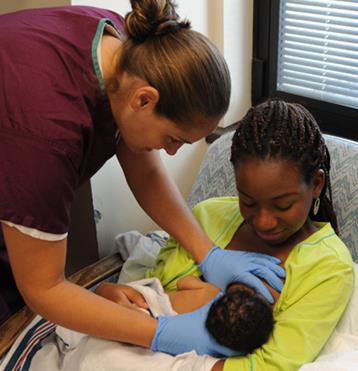
Chapter 4 Physical Development In Infancy Toddlerhood Infant Toddler Development
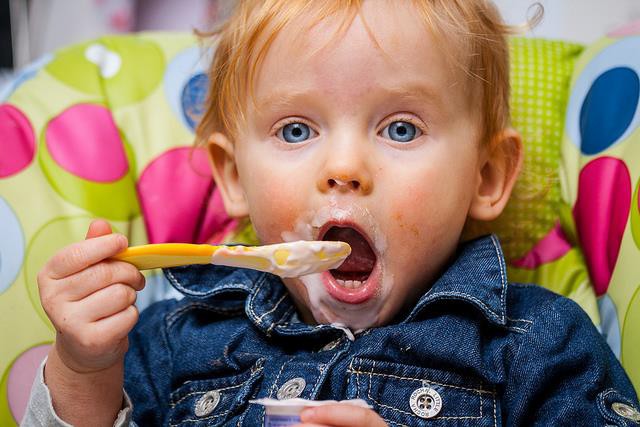
Chapter 4 Physical Development In Infancy Toddlerhood Infant Toddler Development

Mangoes Benefits Nutrition And Recipes

Infancy Childhood And Adolescence Advanced Ck 12 Foundation

Mammalian Embryology And Organogenesis
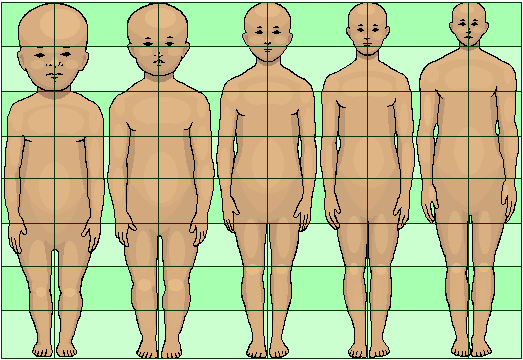
Chapter 4 Physical Development In Infancy Toddlerhood Infant Toddler Development

Psychology

What An Elephant S Tooth Teaches Us About Evolution Evolution The Guardian
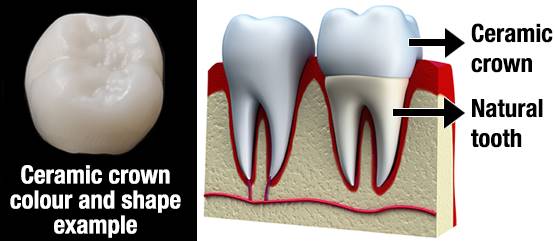
Dental Crowns Everything You Need To Know Vc Dental